Do you want to leave a review for SF Pinnacle Limousines? You have to be a registered user in order to do so. If you are already registered on our website, you can Login in the upper right-hand corner. Also, keep in mind, that you can only leave review for the specific vehicle or specific limousine service provider, that you contracted with. This is done in order to keep the integrity of our platform.
No reviews to display.
No Hidden Fees, Service Charge Included
No Hidden Fees, Service Charge Included
Cities:
San Francisco, CA; San Jose, CA; Palo Alto, CA; Mill Valley, CA 94941; Larkspur, CA; Sausalito, CA 94965; Corte Madera, CA
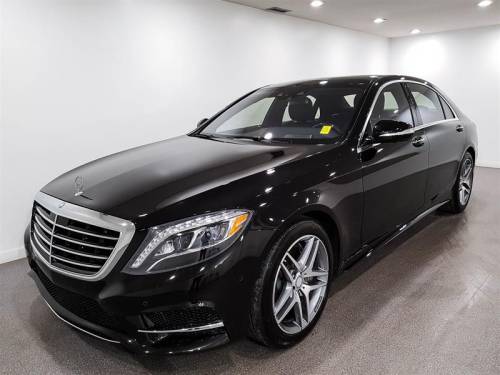
The Mercedes Benz S550 is a confluence of elegance, performance, intelligent automotive safety systems, and innovation. Each seat is hand fitted with leather upholstery and the interior is trimmed with hand polished Burl Walnut wood. The electronic stability program ensures a smooth ride and laminated, infrared-reflective glass reduces noise and heat.
Cities:
San Francisco, CA
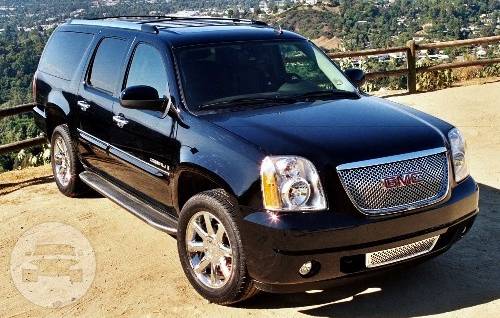
7 passenger SUV, can hold 4 checked bags, and 4 carry on bags.
Cities:
San Francisco, CA; Milpitas, CA 95035; Half Moon Bay, CA; Hayward, CA; Union City, CA; Newark, CA 94560; Foster City, CA; San Mateo, CA; Belmont, CA; Portola Valley, CA; Stanford, CA; Los Altos Hills, CA; Los Altos, CA; Atherton, CA 94027; Santa Cruz, CA; Menlo Park, CA; Palo Alto, CA; Gilroy, CA 95020; Morgan Hill, CA; Saratoga, CA; Campbell, CA; Oakland, CA; Fremont, CA; Los Gatos, CA; Santa Clara, CA; Mountain View, CA; Sunnyvale, CA; San Jose, CA; Pleasanton, CA; Livermore, CA; San Ramon, CA; Danville, CA
Cancel 24
hours before the trip for full refund
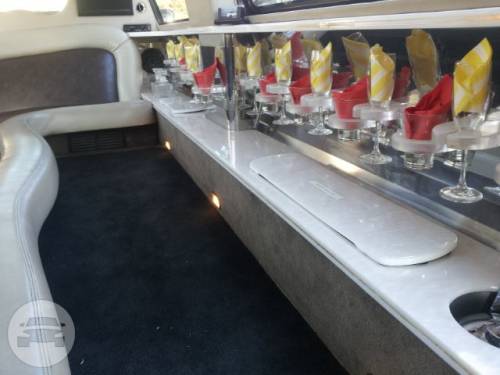
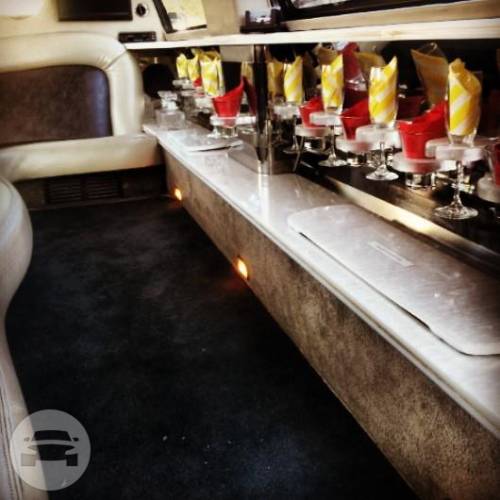
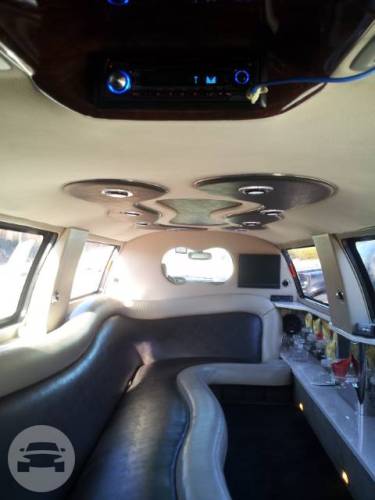
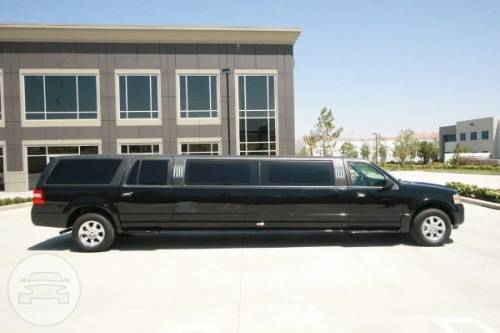
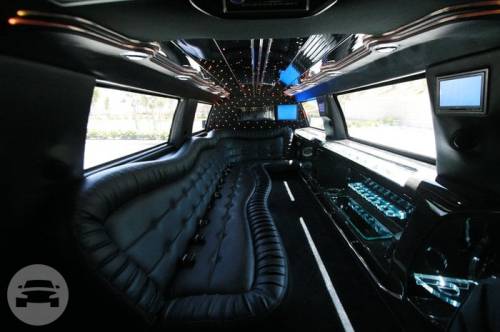
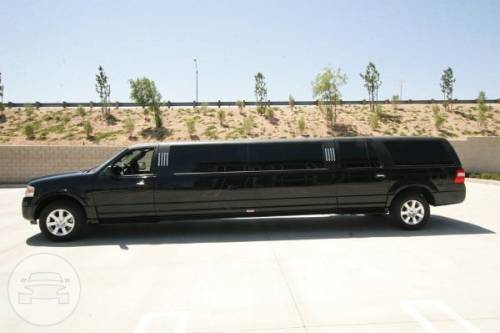
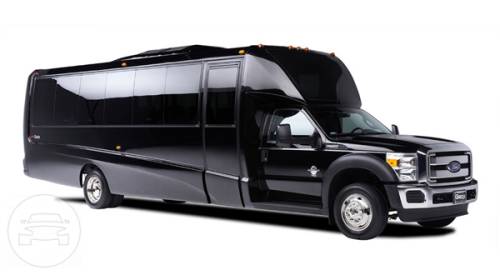
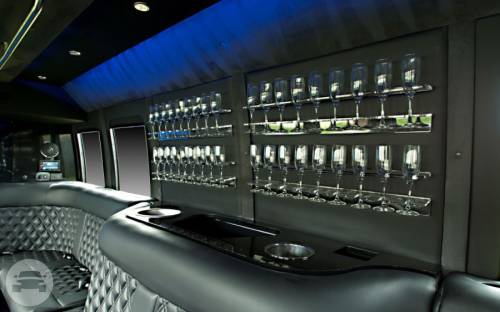
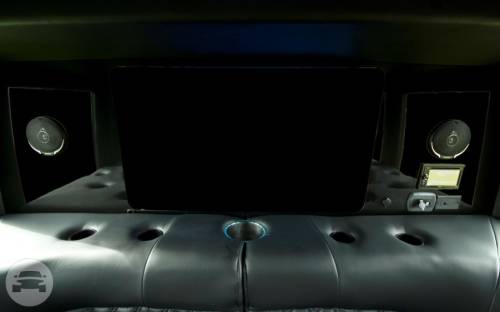
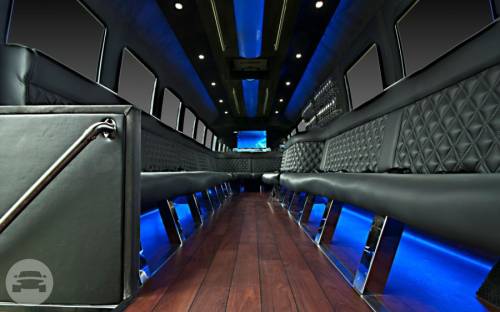
A LITTLE HISTORY The Ford Super Duty is a line of trucks (over 8,500 lb (3,900 kg) GVWR) that were launched by Ford in early 1998 for the 1999 model year. The F-250 to F-550 Super Duties are assembled at the Kentucky Truck Plant in Louisville, Kentucky. The F-650 and F-750 Super Duties were assembled at the Blue Diamond Truck plant in Mexico prior to 2014, when production was shifted to Avon Lake, Ohio. The Super Duty trucks are larger, heavier built series pickup trucks with heavier-duty body-on-frame steel ladder frames, axles, springs, brakes, transmissions, more powerful engines, and all other heavier/bigger components (with much higher payload and towing capacities) than the older traditional equivalent F-250, F-250HD (Heavy Duty), and F-350 Ford truck lines (where from 1987 to 1997 the F-250, F250HD, F-350, and F-Super Duty were all chassis cab models only). The two-wheel-drive and four-wheel-drive model frames are the same in the F-250 and F-350 series, making conversion from a two-wheel-drive model to a four-wheel-drive model less difficult than in other truck models. F-350 chassis cab, F-450 and F-550 frames and suspension are the same between the two-wheel-drive and four-wheel-drive models. SERVICE OFFERED IN THIS VEHICLE Dedicated chauffeur service Winery & City Tours Nightlife service 14, 20, 30 & 40 passengers Black Leather Interior Limo Style Seating (J-seating) Faux Hardwood Style Floors On Board Wi-fi Amazing Sound System Large LCD Screen Optional Dancing Pole
Cities:
San Francisco, CA; Napa, CA; Palo Alto, CA; San Jose, CA; Oakland, CA; Concord, CA
 Please wait...


 Australia
 Hong Kong
 South Korea
 Philippines
 Russia
 UK
UK USA
USA